Archives
- 2026-06
- 2026-05
- 2026-04
- 2026-03
- 2026-02
- 2026-01
- 2025-12
- 2025-11
- 2025-10
- 2025-09
- 2025-03
- 2025-02
- 2025-01
- 2024-12
- 2024-11
- 2024-10
- 2024-09
- 2024-08
- 2024-07
- 2024-06
- 2024-05
- 2024-04
- 2024-03
- 2024-02
- 2024-01
- 2023-12
- 2023-11
- 2023-10
- 2023-09
- 2023-08
- 2023-06
- 2023-05
- 2023-04
- 2023-03
- 2023-02
- 2023-01
- 2022-12
- 2022-11
- 2022-10
- 2022-09
- 2022-08
- 2022-07
- 2022-06
- 2022-05
- 2022-04
- 2022-03
- 2022-02
- 2022-01
- 2021-12
- 2021-11
- 2021-10
- 2021-09
- 2021-08
- 2021-07
- 2021-06
- 2021-05
- 2021-04
- 2021-03
- 2021-02
- 2021-01
- 2020-12
- 2020-11
- 2020-10
- 2020-09
- 2020-08
- 2020-07
- 2020-06
- 2020-05
- 2020-04
- 2020-03
- 2020-02
- 2020-01
- 2019-12
- 2019-11
- 2019-10
- 2019-09
- 2019-08
- 2019-07
- 2019-06
- 2019-05
- 2019-04
- 2018-11
- 2018-10
- 2018-07
-
br Conclusion These are exciting
2021-10-11
Conclusion These are exciting times in EAAT research. The discovery and use of the GltPh and GltTk transporters as model systems for EAATs has provided detailed understanding of structure–function aspects of the transporters. Moreover, recent studies into the physiological functions of the transp
-
br Introduction Prostate cancer is
2021-10-11
Introduction Prostate cancer is the most commonly diagnosed cancer and the second leading cause of cancer deaths in men in the United States, accounting for about 30,000 cancer deaths annually [1]. Epidemiological studies that show geographical variations in prostate cancer incidence and mortalit
-
br Do the actions of GLP
2021-10-11
Do the actions of GLP-1R agonists on the vascular endothelium account for GLP-1R agonist-mediated cardioprotection? The previous section highlighted the recent clinical evidence from cardiovascular outcomes studies supporting the notion that GLP-1R agonists confer cardioprotective actions in pati
-
The first GSM was identified from
2021-10-11
The first GSM was identified from the discovery of non-steroidal anti-inflammatory drugs (NSAIDs). An amyloid reducing GSM that also suppresses inflammation is desirable. Inflammatory response is an invariable characteristic of AD pathogenesis, in part triggered by Aβ. During AD onset and progressio
-
2 nbdg br Chemistry Analog has been previously reported by o
2021-10-09
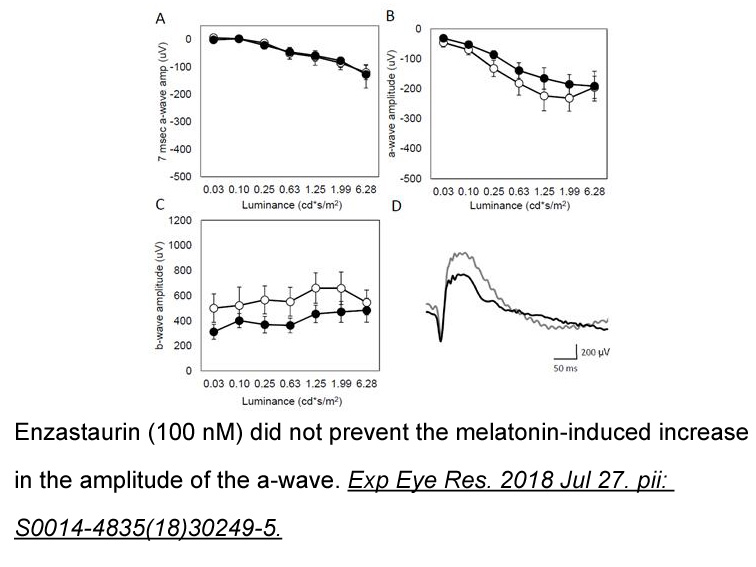
Chemistry Analog 12 has been previously reported by our group. Experimental procedures for the synthesis and characterization of 13–32 are available in Scheme 1, Schemes S1–S9 and Table S1 in Supplementary data. Preparation of 30 and 31 is depicted in Scheme 1 as the representative example. Commo
-
The co crystal structure of GPR complexed with TAK
2021-10-09
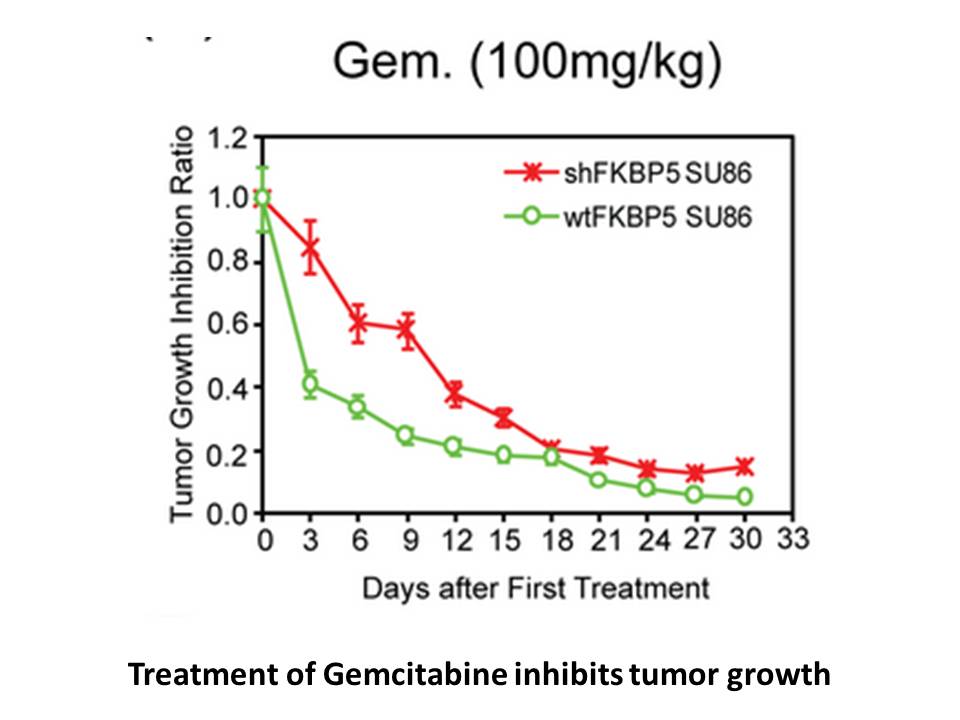
The co-crystal structure of GPR40 complexed with TAK-875 provided precise structural information for the rational design of novel GPR40 agonists. The key interactions between the carboxylate with the residues Arg183, Arg258, Tyr91 and Tyr240 of GPR40 were observed. And Trp174ECL2 was oriented nearly
-
In enzyme assays it is convenient to
2021-10-09
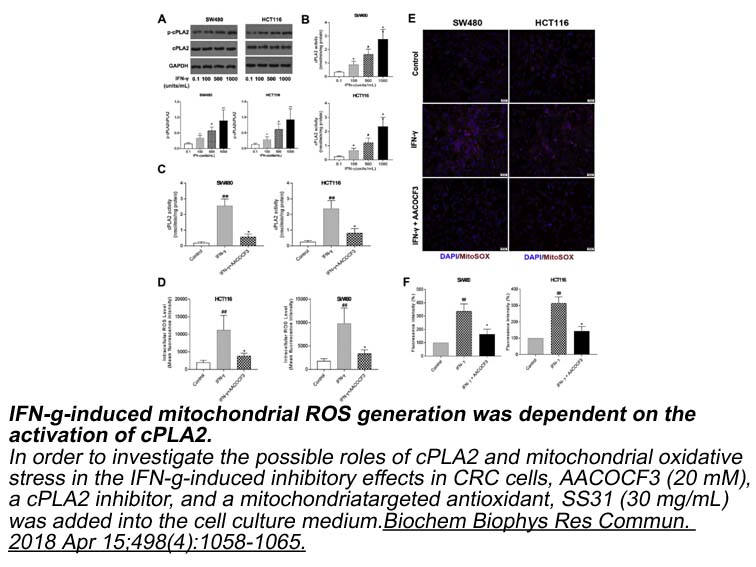
In enzyme assays, it is convenient to quantify the product formed in the enzyme reaction, where a decrease in the concentration of product indicates enzyme inhibition [35], [36], [37], [38]. In the present study, substrates were carefully chosen so that they are specific to each enzyme. Known natura
-
Here we examined Meckel s cartilage of
2021-10-09

Here, we examined Meckel's cartilage of mice where Setdb1 was knocked out only in neural crest derived Brilliant Blue G with the purpose of investigating the roles of Setdb1 in Meckel's cartilage, a supportive tissue for mandible formation. We observed enlarged Meckel's cartilage that was a result o
-
br Discussion In this study we show that conditional
2021-10-09
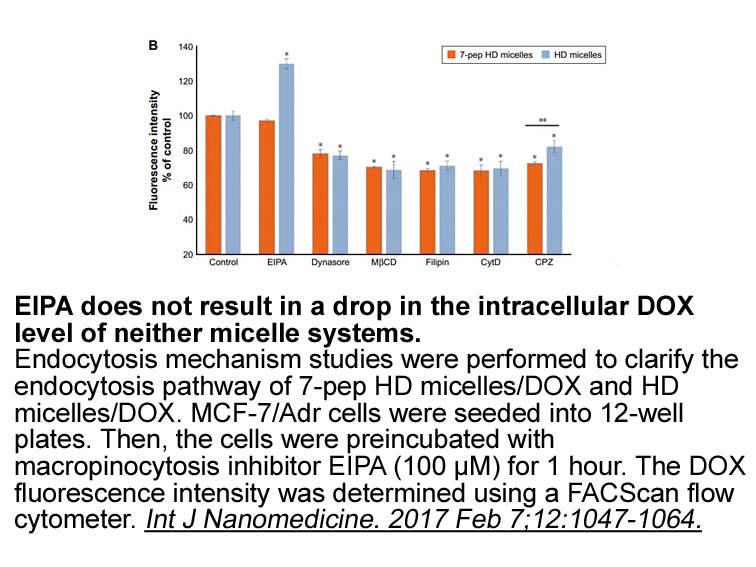
Discussion In this study, we show that conditional loss of Yap/Taz in the endocardium results in a thin compact myocardium and early postnatal lethality. We also report that loss of Yap/Taz in the endocardium leads to diminished expression of Nrg1, which is a crucial endocardial-derived factor th
-
the Argonaute family of proteins Of xenobiotic quinones thym
2021-10-09
Of xenobiotic quinones, thymoquinone (2-methyl-5-isopropyl-1,4-benzoquinone; Fig. 1) is one of the most thoroughly studied for its pharmacological properties. It is the most active component of Nigella sativa, commonly called black cumin2, 3, the essential oil of the seeds of which are used for trea
-
Ras pathways are involved in the regulation of
2021-10-09

Ras pathways are involved in the regulation of virulence in Cryptococcus neoformans [7] and Candida albicans [8,9]. To verify the importance of Ras in the survival response of the fungus in the host, a pathogenicity test of P. brasiliensis was performed before and after treatment with the Ras inhibi
-
One of the mechanism of regulation of NO
2021-10-09
One of the mechanism of regulation of NO content in plant cells is it scavenging by GSH leading to formation of GSNO [59]. This reaction, depending on NO level and availability of glutatione in its reduced form, influences cellular redox potential by lowering GSH content and in consequence may impac
-
br GSNOR regulates SA synthesis and SA signalling The
2021-10-09
GSNOR1 regulates SA synthesis and SA signalling The phenolic metabolite salicylic vitamin b12 cyanocobalamin (SA) is a powerful immune activator in plants. Moreover, mutations that disable SA biosynthesis or transgenes that result in its depletion compromise both resistance (R) gene-mediated and
-
Edoxaban br Discussion Recent progresses in osteoblast biolo
2021-10-09
Discussion Recent progresses in osteoblast biology reveal that aerobic glycolysis was the main pathway to supply energy and materials that need by osteoblast differentiation [3]. In current study, we showed that LA enhanced the effect of PTH on osteblast differentiation and revealed an unrecogniz
-
Human GPR hGPR was originally isolated in as an
2021-10-09
Human GPR55 (hGPR55) was originally isolated in 1999 as an orphan GPCR with high levels of expression in human striatum (Sawzdargo et al., 1999) (Genbank accession # NM_005683.3). hGPR55 was mapped to human chromosome 2q37, and in the human CNS it is predominantly localized to the caudate, putamen,
16067 records 571/1072 page Previous Next First page 上5页 571572573574575 下5页 Last page