Archives
- 2026-03
- 2026-02
- 2026-01
- 2025-12
- 2025-11
- 2025-10
- 2025-09
- 2025-03
- 2025-02
- 2025-01
- 2024-12
- 2024-11
- 2024-10
- 2024-09
- 2024-08
- 2024-07
- 2024-06
- 2024-05
- 2024-04
- 2024-03
- 2024-02
- 2024-01
- 2023-12
- 2023-11
- 2023-10
- 2023-09
- 2023-08
- 2023-06
- 2023-05
- 2023-04
- 2023-03
- 2023-02
- 2023-01
- 2022-12
- 2022-11
- 2022-10
- 2022-09
- 2022-08
- 2022-07
- 2022-06
- 2022-05
- 2022-04
- 2022-03
- 2022-02
- 2022-01
- 2021-12
- 2021-11
- 2021-10
- 2021-09
- 2021-08
- 2021-07
- 2021-06
- 2021-05
- 2021-04
- 2021-03
- 2021-02
- 2021-01
- 2020-12
- 2020-11
- 2020-10
- 2020-09
- 2020-08
- 2020-07
- 2020-06
- 2020-05
- 2020-04
- 2020-03
- 2020-02
- 2020-01
- 2019-12
- 2019-11
- 2019-10
- 2019-09
- 2019-08
- 2019-07
- 2019-06
- 2019-05
- 2019-04
- 2018-11
- 2018-10
- 2018-07
-
Due to metabolic variations it is important to consider
2023-01-05
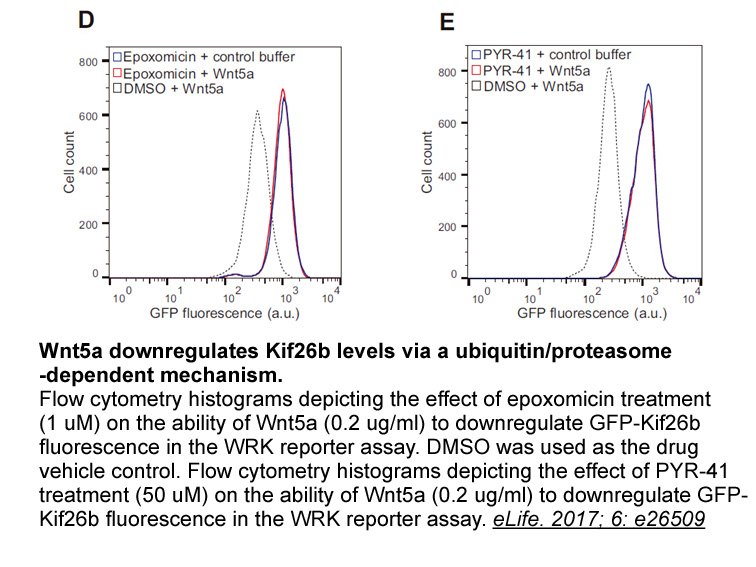
Due to metabolic variations, it is important to consider arginine metabolism and dependency in specific contexts to identify precise patterns. This is best illustrated for ASS: while ASS deficiency correlates with worse prognosis in sarcomas, ASS levels positively correlate with a poor prognosis in
-
Data used in preparation of this article were obtained from
2023-01-05

Data used in preparation of this article were obtained from the ADNI database (adni.loni.usc.edu). As such, the investigators within the ADNI contributed to the design and implementation of ADNI and/or provided data but did not participate in analysis or writing of this report. A complete listing o
-
Because activation of HT A receptor is capable of
2023-01-05
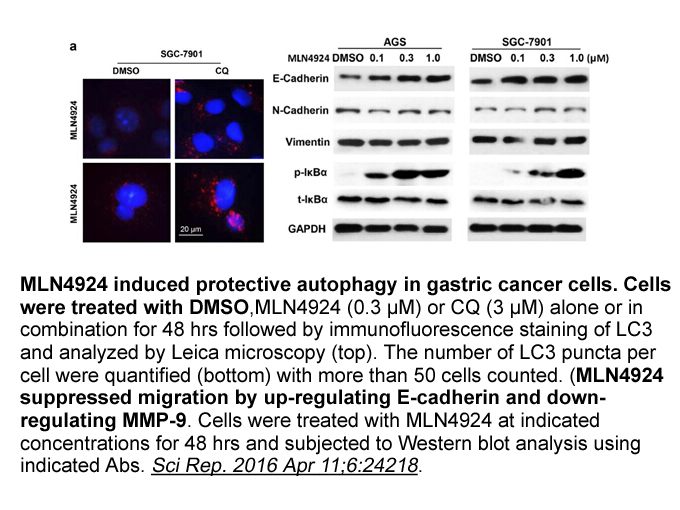
Because activation of 5-HT2A receptor is capable of facilitating dopamine cell activity and dopamine release (Bortolozzi et al., 2003), and this action of dopamine is known to mediate rat maternal behavior, especially maternal motivation (Afonso et al., 2007, Febo et al., 2010, Li and Fleming, 2003,
-
Mast cells Mast cells are immune cells of the
2023-01-05
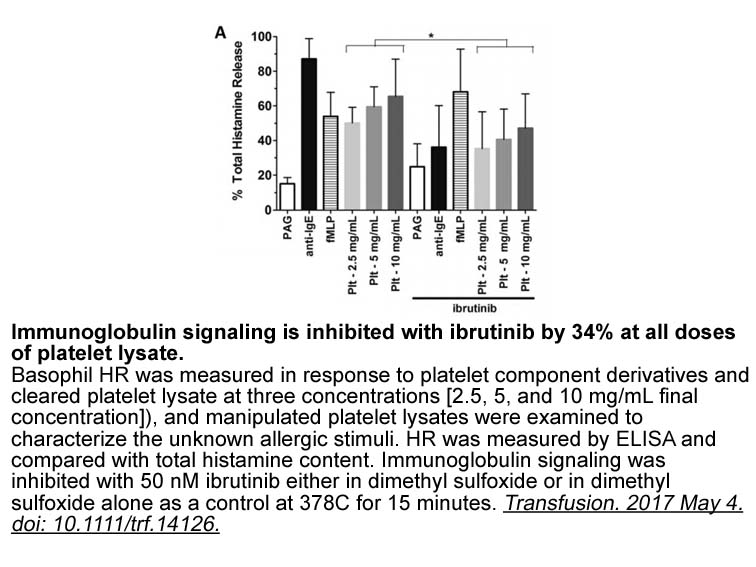
Mast cells. Mast AG 1879 are immune cells of the myeloid lineage and are ubiquitously present in connective tissues [75]. These cells are involved in the modulation of a number of physiological functions, such as vasodilation, angiogenesis, bacterial, and parasite elimination [75]. Moreover, mast c
-
Polyphenols like flavonoids have the potential to
2023-01-04

Polyphenols like flavonoids have the potential to penetrate into lipid bilayers which is vital for enabling protection against oxidation. Rosmarinic molecular weight calculator is a natural polyphenol antioxidant isolated from Sphaeranthus amaranthoides. Polyphenols can inhibit the propagation of l
-
br Acknowledgment br Introduction The
2023-01-04
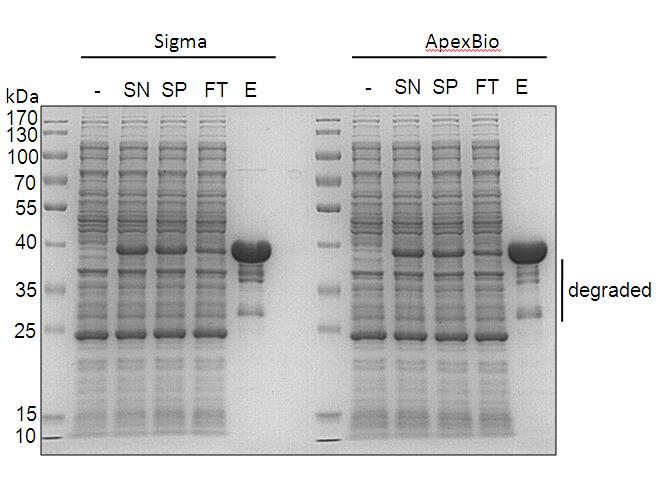
Acknowledgment Introduction The yeast Cdc48 ATPase and its metazoan ortholog p97 (or VCP) are critical components of many ubiquitin-dependent cellular pathways that require the segregation of individual proteins from binding partners or membranes (for review, see Buchberger, 2013, Meyer and We
-
br Introduction Melatonin N acetyl methoxytryptamine is a ne
2023-01-04
Introduction Melatonin (N-acetyl-5-methoxytryptamine) is a neurohormone which is mainly secreted from the pineal gland. Melatonin is a highly conserved molecule present not only in vertebrates but also in nonvertebrates such as bacteria, protists, fungi, macroalgae, and plants (Cecon et al., 2017
-
br HMGB proteins and chromatin
2023-01-04
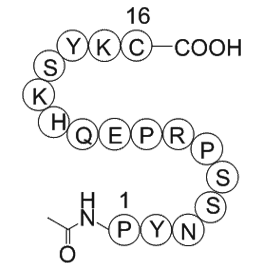
HMGB proteins and chromatin structure The multifaceted roles played by HMGB (formerly called HMG-1 and -2) proteins in modulating chromatin structure, gene transcriptional activity and cellular phenotype have been covered in a number of recent reviews and readers are referred to these for in-dept
-
The basis for the protonation of chitosan
2023-01-04
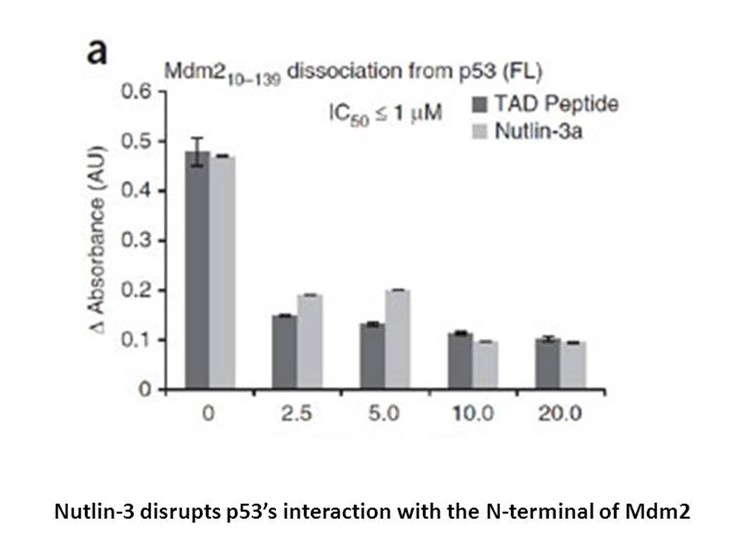
The basis for the protonation of chitosan is the alkaline primary amino group, which is also the reason for the special properties of chitosan (Guibal, Van Vooren, Dempsey, & Roussy, 2006; Tamer et al., 2017; Yang et al., 2014). Our previous work (Meng et al., 2012) and several other reports (Yan et
-
Tumor tissues often experience hypoxia owing
2023-01-04
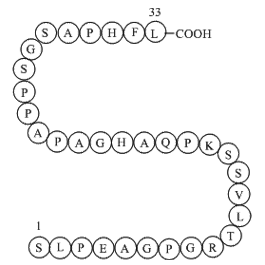
Tumor tissues often experience hypoxia owing to accelerated growth rates of malignant cells, accumulation of metabolic products, disorganization of tumor blood vessels, and high interstitial fluid pressures (Makino et al., 2001). In response to AAD treatment, tumor vascular density often decreases t
-
br Materials and methods br Results br Discussion
2023-01-04
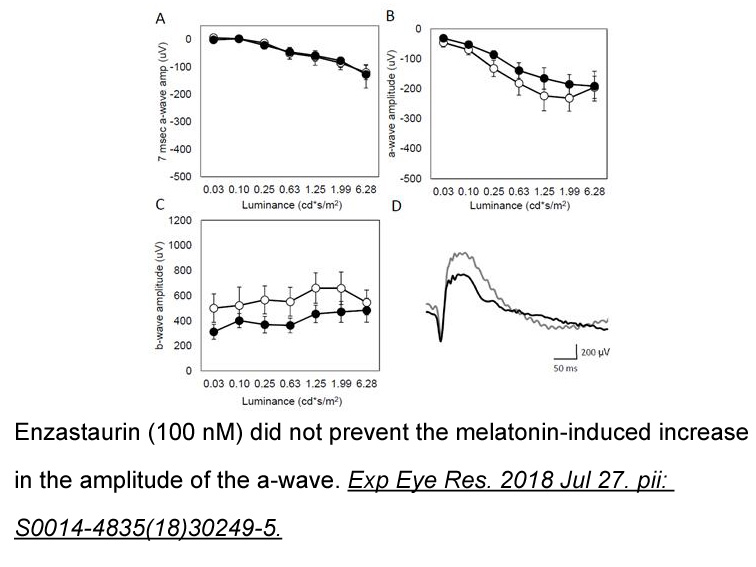
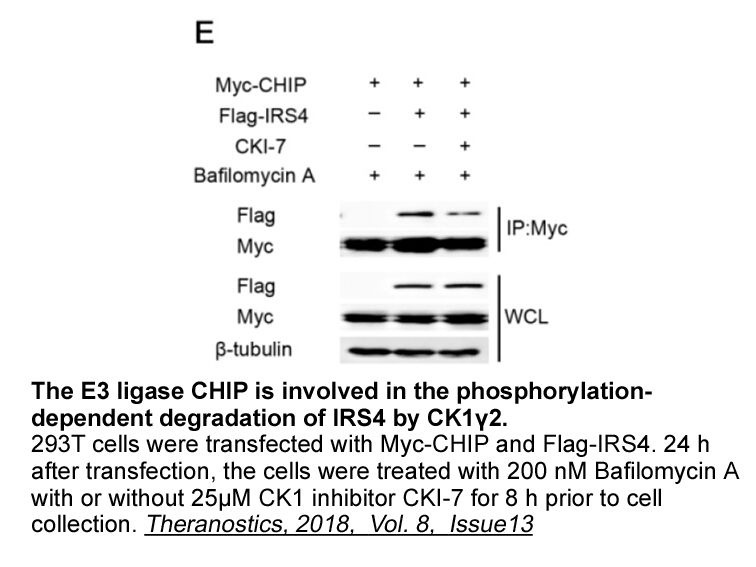
Materials and methods Results Discussion Our results revealed that LPS injection in rats impaired fear memory in the PA task. This results are in agreement with the most of previous studies reported that following acute [23,24,39,[45], [46], [47]] or chronic systemic peptide receptors [30]
-
In pancreatic islets we found an increase in protein
2023-01-04
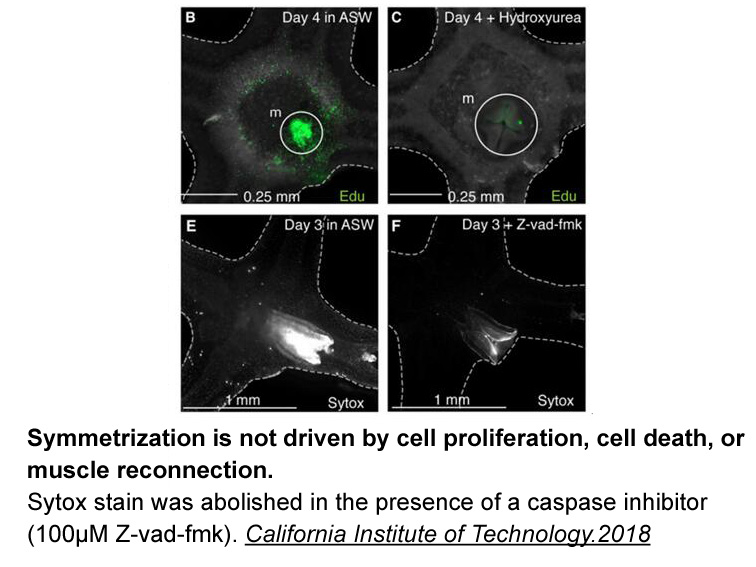
In pancreatic islets we found an increase in protein expression of leukocyte 12/15-LO that paralleled the metabolic decline characterized by severe hyperglycemia and reduced islet numbers. Similar increase in 12/15-LO expression by Western blot was found in the control mice, which have a normal meta
-
This suggestion was confirmed by immunohistochemical
2023-01-04
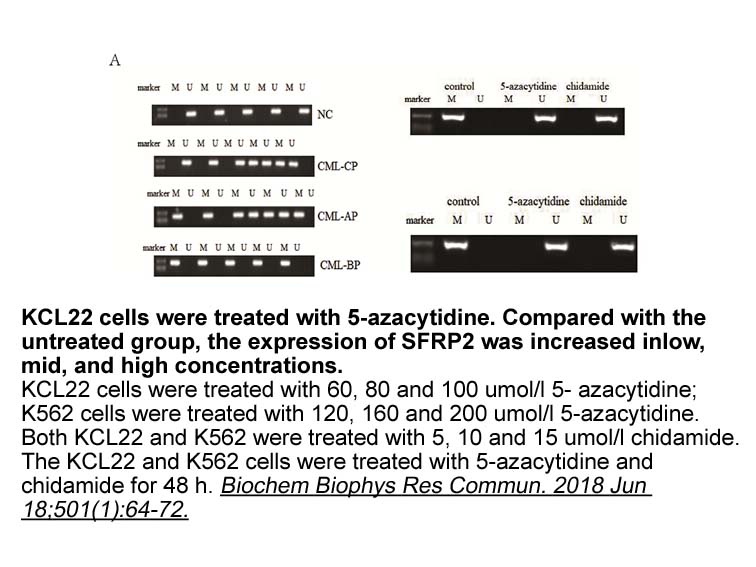
This suggestion was confirmed by immunohistochemical studies in which the immunoreactivity of the enzyme was actually higher at the earlier rather than at the advanced stages of the disease. Importantly, a later study showed that the biochemical signature of 12/15LO enzymatic activation (i.e., 12-HE
-
br AHR expression in cancer
2023-01-04
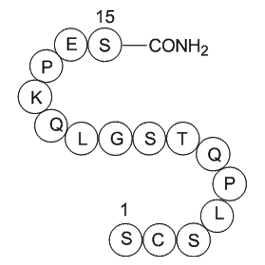
AHR expression in cancer Perhaps the earliest indicator that the AHR might play an ongoing role in tumorigenesis, independent of its role in generating mutations, was the demonstration that non-genotoxic 2,3,7,8-tetrachlorodibenzo(p)dioxin (TCDD) is a carcinogen in animals and humans [7]. Althoug
-
br Conclusions Several lines of evidence have been
2023-01-04
Conclusions Several lines of evidence have been established, which support the adenosine kinase hypothesis of epileptogenesis, which is based on a sequence of events leading from acute WEHI-539 hydrochloride injury to initial downregulation of ADK, rise in extracellular adenosine, changes in astr
15910 records 342/1061 page Previous Next First page 上5页 341342343344345 下5页 Last page